Understanding Stationäre Notdusche für Unternehmen
In today's industrial landscape, ensuring the safety of employees is of paramount importance. One critical safety feature that every workplace must consider is the stationary emergency shower, or "stationäre Notdusche." This equipment serves as an immediate response system in the event of chemical spills, burns, or other hazardous exposure, providing essential first aid before professional medical help can be obtained. When exploring options, stationäre Notdusche für Unternehmen offers comprehensive insights on availability and configurations that suit specific workplace needs.
What is a Stationäre Notdusche?
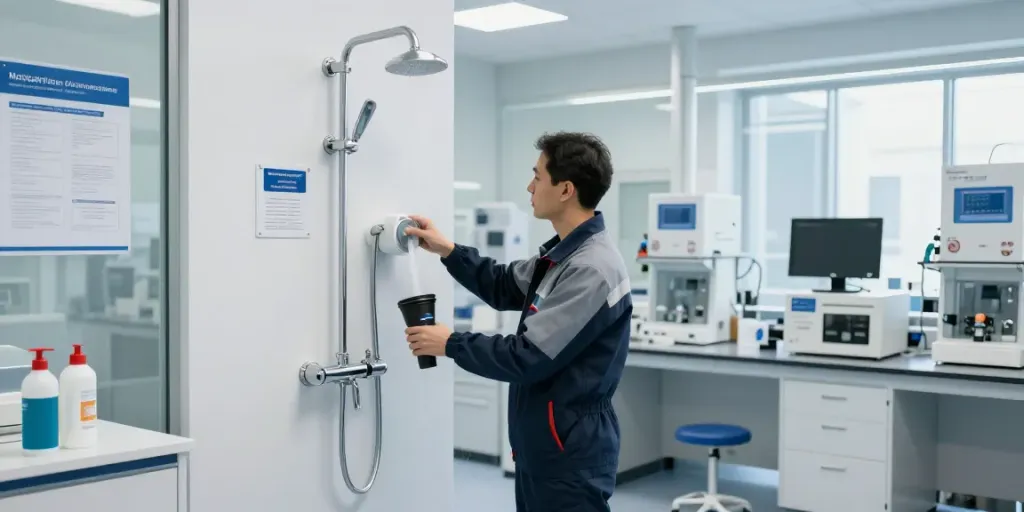
A stationary emergency shower is specifically designed for rapid decontamination in workplaces where employees may come into contact with hazardous substances. It typically consists of a showerhead mounted at a height that allows for easy access in an emergency. When activated, the shower releases a controlled stream of water, effectively flushing away harmful materials from the body.
These showers are distinct from portable units; their fixed installation offers advantages such as direct access to a reliable water supply and greater stability during use. Common applications for these showers include laboratories, manufacturing facilities, and chemical processing plants, all of which face stringent safety regulations regarding the handling of dangerous materials.
Importance in Workplace Safety
The presence of a stationäre Notdusche is crucial in mitigating workplace injuries stemming from exposure to hazardous substances. According to recent statistics, accidents involving chemicals can lead to severe injuries or long-term health complications. In such environments, time is critical—an immediate response can significantly reduce the severity of injuries and improve outcomes.
Moreover, having emergency showers easily accessible fosters a culture of safety within organizations, reminding employees that their well-being is a priority. Regular drills and training on how to use these showers can further enhance preparedness among staff.
Key Features and Standards
When selecting a stationary emergency shower, it’s imperative to consider key features that enhance usability and compliance with safety standards.
- Water Supply: The shower must have a steady supply of potable water, ensuring that the flushing is effective.
- Temperature Control: To avoid thermal shock, the water temperature should remain within a safe range, typically between 16°C and 38°C.
- Accessibility: Showers should be easily accessible and clearly marked, allowing individuals to reach them quickly in an emergency.
- Compliance with Standards: Showers must meet EN and ANSI standards, ensuring they fulfill safety requirements across various industries.
Regulatory Compliance and Safety Standards
Ensuring that your stationary emergency shower complies with relevant safety regulations is essential for minimizing liability and promoting employee safety. In Europe, compliance with EN 15154 governs emergency showers, while in the United States, ANSI Z358.1 sets the standard for emergency equipment.
Relevant EN and ANSI Standards
The EN 15154 standard outlines the minimum performance and design requirements for emergency showers, including the required water flow rate and temperature maintenance. Compliance with ANSI Z358.1 involves specific testing and maintenance protocols to uphold functionality. Understanding these standards helps ensure that emergency showers are effective and meet legal obligations.
Common Compliance Challenges
Despite the clear regulations, companies often face challenges in maintaining compliance due to various factors:
- Outdated Equipment: Many organizations work with older models that do not meet current standards.
- Maintenance Gaps: Inconsistent inspection and testing can lead to equipment failure during emergencies.
- Rising Costs: Budget constraints can limit the ability to upgrade systems or maintain compliance effectively.
Safety Certification Processes
Obtaining safety certifications for emergency showers involves verifying that the equipment meets specified standards. This process typically includes:
- Initial assessment of the equipment against regulatory benchmarks.
- Operational testing to evaluate performance under various conditions.
- Annual re-inspections to ensure ongoing compliance.
Choosing the Right System for Your Facility
Selecting the appropriate stationary emergency shower system for your facility requires thorough consideration of several factors to ensure it meets regulatory standards and effectively protects employees.
Factors to Consider: Location and Environment
The location of the shower is crucial; it should be situated in areas where hazardous materials are used and in proximity to potential risk zones. Environmental conditions, such as outdoor placement, must also be considered—special measures may be required to protect the unit from freezing or overheating.
Customization Options Available
Many manufacturers offer customization options to tailor emergency showers to specific workplace needs. This can include different showerhead designs, built-in lighting for low-visibility areas, and additional features such as alarms that alert personnel in the event of activation.
Integration with Other Safety Equipment
For maximum effectiveness, stationary emergency showers should be integrated with other safety equipment, such as:
- Eye Wash Stations: Often placed in conjunction with body showers for comprehensive decontamination.
- Alarm Systems: Alerts personnel when a shower is in use or if maintenance is needed.
- Signage: Clear labeling and instructions should accompany installations to ensure proper use.
Maintenance and Inspection Guidelines
Proper maintenance of emergency showers is critical to ensuring their functionality during an emergency. Organizations should establish a routine inspection schedule to keep equipment in optimal condition.
Routine Maintenance Practices
Regular maintenance tasks include:
- Testing water flow rates and pressure to ensure compliance with standards.
- Clearing any sediment or blockages in the water supply lines.
- Monthly activation of the shower to verify proper operation.
Documentation and Record-Keeping
Maintain detailed records of all maintenance activities, inspections, and any repairs made to the shower systems. This documentation can be essential for audits and demonstrating compliance with safety regulations.
Common Repair and Service Needs
Common issues that may arise include:
- Corrosion of components due to exposure to chemicals or environmental elements.
- Water leaks or pressure drops indicating plumbing issues.
- Malfunctioning controls that may hinder the shower’s operation.
Future Trends in Emergency Shower Technology
As technology evolves, so too do the features and capabilities of emergency showers. Staying informed about these trends can help organizations enhance safety and compliance.
Innovations in Design and Functionality
Emerging designs focus on user-friendly features, such as:
- Smart Sensors: Automatically activate showers when a hazardous presence is detected.
- Remote Monitoring: Systems that provide real-time data on usage and maintenance needs.
- Sustainability Features: Water recycling systems that reduce waste and lower operational costs.
Predicted Developments Post-2026
In the coming years, advancements in materials and technology will likely improve the resilience and efficiency of emergency showers. Innovations could lead to more compact designs without compromising functionality.
Adapting to Changing Regulatory Landscapes
As regulations evolve, organizations must remain proactive in adapting their safety equipment to meet new requirements. Keeping abreast of industry associations and regulatory bodies will ensure compliance and employee safety.
What is the significance of compliance for emergency showers?
Compliance ensures that emergency showers are effective and meet legal obligations, which in turn protects employees and reduces liability for organizations.
How do I customize my stationäre Notdusche?
Customization options typically include selecting specific features that address your workplace's unique risks, such as various showerhead designs and integrated alarms.
What maintenance is required for emergency shower systems?
Routine maintenance includes flow tests, component inspections, and documentation of all service activities to ensure operational readiness.
Are there certifications needed for stationäre Notduschen?
Yes, emergency showers must meet established safety standards like EN and ANSI to ensure compliance with regulations.
What innovations are expected in emergency shower technology?
Future trends include smart sensors, remote monitoring capabilities, and sustainability features that enhance safety and operational efficiency.